 Quarterly targets and shareholder returns often define success in business. Yet the leaders who stand the test of time rarely focus only on numbers. In a world that prizes speed and scale, ethical leadership is the real quality that builds trust, strengthens culture, and drives sustainable performance.
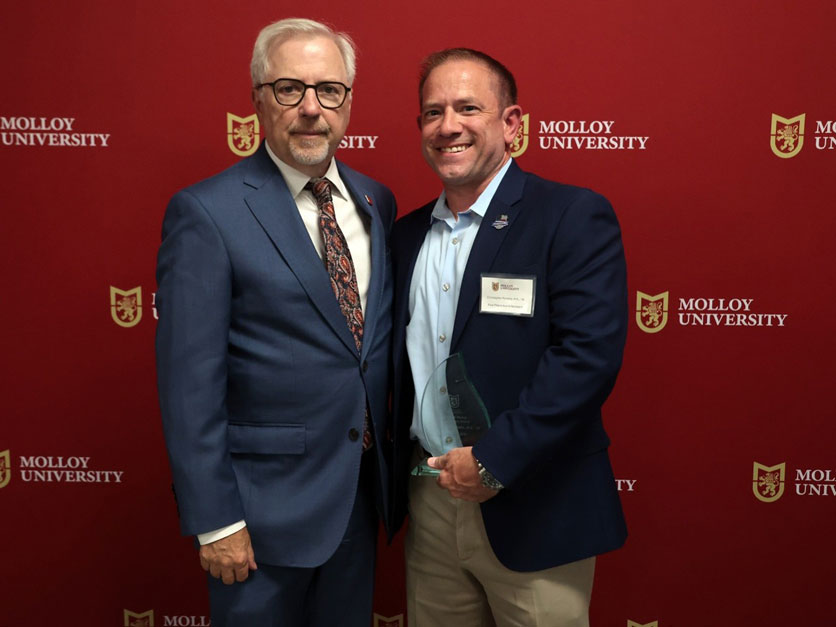
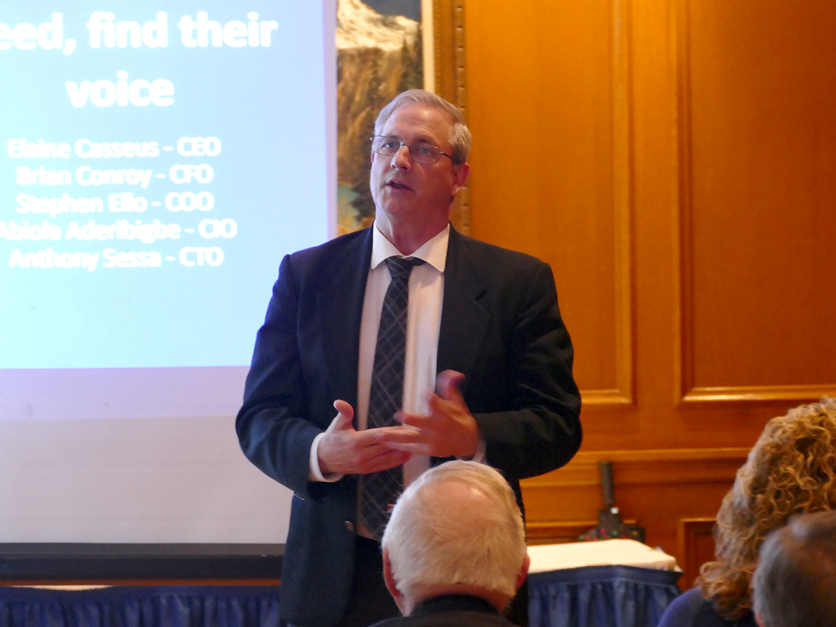
The balance between results and responsibility is what Dr. Bruce Haller, professor in the Management MBA program at Molloy University, explores with his students every day. A practicing attorney with more than 30 years of experience in business and higher education, Dr. Haller has served as a department chair, associate dean, and business school dean. His background in law and leadership allows him to bring real-world ethical challenges into the classroom.
“Leadership isn’t about managing people or enforcing rules,” Dr. Haller says. “It’s about inspiring them. The ethical part is what I’m inspiring people toward, and whether those goals do good in the world.”
Why Ethics Is a Competitive Advantage
Trust has become one of the most valuable currencies in business. According to the 2025 Edelman Trust Barometer, employees now look to business leaders to model integrity and accountability more than ever before. Ethical leadership has become not only a moral expectation, but a business imperative.
“You can influence people to cut corners and hit a number,” Haller notes, “but in the long run, you won’t be followed. People rally behind goals that are ethical and worthwhile.”
Leadership roles remain among the most sought-after in the workforce. According to the U.S. Bureau of Labor Statistics, management occupations earned a median annual wage of $122,090 in 2024, reflecting the high expectations placed on those who guide teams and shape organizational outcomes.
But numbers alone don’t define success. The leaders who make a lasting impact build cultures of trust, fairness, and accountability — qualities that strengthen organizations from the inside out.
Teaching the Next Generation of Ethical Leaders
At Molloy University, Haller and his colleagues are helping students build the mindset needed to lead with integrity. “Every class in our MBA program is consistent with Molloy’s mission,” he says. “You can learn to make a profit and do good in the world.”
That mission shapes everything from how Molloy structures its programs to how it treats students—especially those coming to the program with prior learning or work experience. “It’s unethical to take a working person with years of experience and not accept their credits just to create a revenue stream,” Haller explains. “Students should come first.”
Faculty at Molloy bring decades of real-world experience from organizations like Citi Group, KPMG, and Goldman Sachs, ensuring students learn from professionals who understand the complex realities of leadership, not just the theory.
Ethics in Action: Real Decisions, Real Impact
As industries become more data-driven and global, the leaders who will make the greatest impact are those who can pair performance with principle.
“Leaders need to understand what will make people believe in the mission, not just comply with it,” notes Dr. Haller. That belief-driven leadership is what enables organizations to stay resilient through uncertainty.
Molloy’s MBA students experience this firsthand through applied projects that simulate real-world decision-making. From case studies in corporate responsibility to strategic planning exercises that weigh financial goals against social outcomes, students learn how ethical thinking drives sustainable success.
Start your journey toward ethical leadership and impact today. Explore Molloy’s MBA-Management Program and discover how ethical leadership can shape your future.