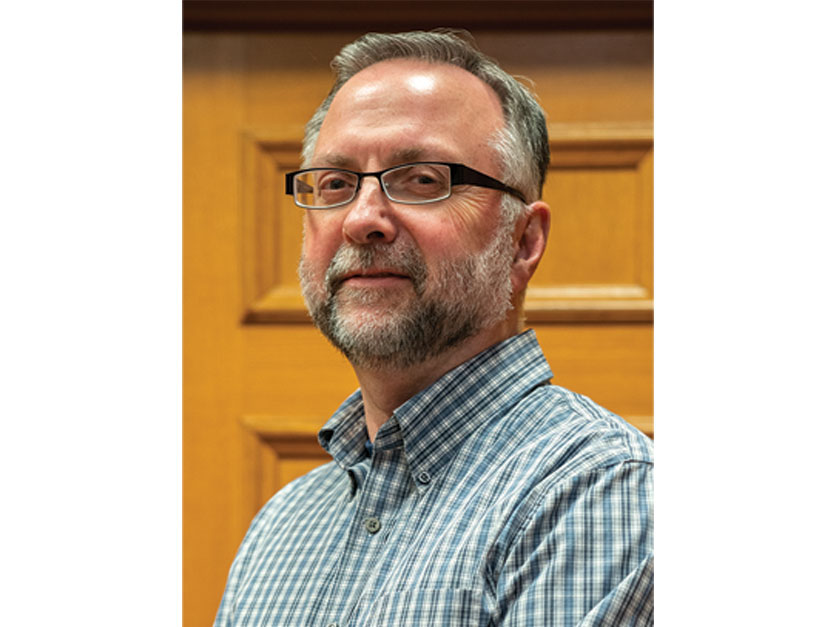
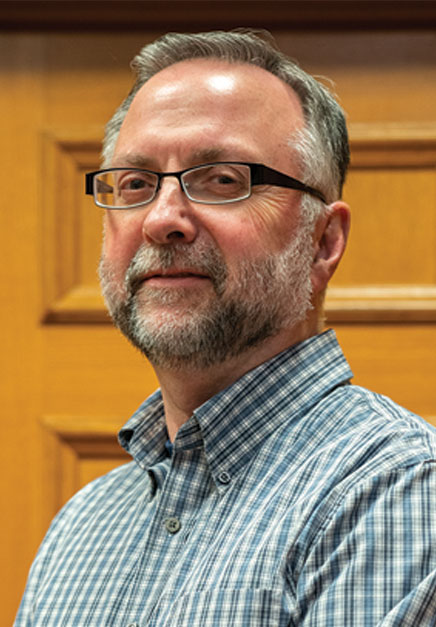
 Few scholars examining the history and impact of stop and frisk in New York City can approach the subject from the perspective of John Eterno, Ph.D.
Before becoming a longtime professor and leader in Molloy University’s Criminal Justice and Legal Studies program, Eterno spent more than two decades with the New York City Police Department, serving from 1983 to 2004 and rising to the rank of captain. Among his assignments, he served as commanding officer of the NYPD’s stop-and-frisk unit, an experience that now informs his latest book, Cops and Stops.
The book examines the rise of aggressive policing practices in New York City, including stop and frisk, and the lasting effects those policies have had on law enforcement, communities and public trust. Drawing on both his firsthand experience within the NYPD and decades of academic research, Eterno offers an examination of how these practices developed, where they went wrong and what lessons can be carried forward.
During his time with the NYPD, Eterno helped develop the department’s defense in Daniels v. City of New York, a federal lawsuit challenging its street crime unit and stop-and-frisk practices. He was deposed in the case and testified on behalf of the department. His subsequent academic research has also contributed to the legal conversation surrounding the issue, including being cited extensively in the opinion in Floyd v. City of New York, a later federal case challenging the NYPD’s stop-and-frisk practices.
“I have read numerous books and other materials on the stop and frisk topic in New York. None of them get it right,” Eterno said. “I needed to document the real facts, rather than the hyperbole and rhetoric that others have often written on the topic. It is a critical contribution to the field so that others can understand what actually happened from one that has been there and also heavily studied the topic as an academic researcher.”
Rather than calling for the elimination of stop and frisk altogether, Eterno argues for its lawful and measured use. Among the book’s recommendations is an end to pressure on police officers to meet quotas, emphasizing instead the importance of balancing effective crime control with individuals’ due process rights.
That balance is also central to what Eterno hopes the book will offer its intended audience of criminal justice students, police recruits and others studying the field. Cops and Stops traces policing through different eras, from community policing to more aggressive crime-control strategies, examining the strengths and consequences of each approach.
For Eterno, the work also reflects values that have shaped his nearly three decades at Molloy, where he has been a faculty member since 1999 and currently serves as professor, chairperson and director of Criminal Justice and Legal Studies.
“Molloy’s mission of service, study, community, and spirituality have been a guiding light for me,” Eterno said. “A lifelong search for truth fostering respect for all individuals is critical to Molloy. This book reflects that truth.”
Through Cops and Stops, Eterno brings together a career spent on both sides of the conversation, first practicing and leading within law enforcement and later studying and teaching it, to contribute to a question that continues to resonate within policing and the communities it serves: how to protect public safety while preserving individual rights and public trust.