Dr. Sandra Morris-Aarons Scholarship Award

Dr. Sandra Morris-Aarons
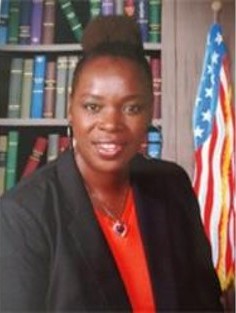
Dr. Sandra Morris-Aarons
The Morris-Aarons Scholarship Award is named in honor of Dr. Sandra Morris-Aarons, a Molloy Ed.D. alumni who demonstrated outstanding commitment to research and scholarship for improving education for diverse learners. As an early childhood educator and researcher of early childhood education, Dr. Morris-Aarons’s passion was to provide affirming education for populations of students who have historically been marginalized and discriminated against in schools. She used her voice as a social justice researcher and leader to advocate for healthy and empowering schools for diverse learners, especially Black boys starting from early childhood. This award recognizes the outstanding accomplishments of Ed.D. students who walk the legacy of Dr. Morris-Aarons by using their scholarly voices to advocate for the improvement of education for diverse learners.
Morris-Aarons Award Recipients
-
Fall 2025 Recipients
Janae Baine, EdD Candidate
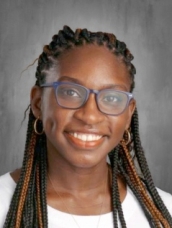
High School Students and Extracurricular Activities: A Dialogical Thematic Narrative Inquiry into the Stories of Students’ Experiences with After School and Extracurricular Activities
My dissertation is dedicated to understanding the lived experiences of high school students who do not participate in after-school and extracurricular activities. The goal of my work is to help policymakers identify, understand, and dismantle barriers that prevent high school students from fully participating in extracurricular activities and school events. Despite the recognized benefits of extracurricular engagement—such as increased academic achievement, social development, and emotional well-being—many students continue to face institutional, cultural, or religious obstacles that limit their involvement (Fredricks & Eccles, 2006; Fredricks & Simpkins, 2011; Gorski, 2020; Bang et al., 2020).
Like Dr. Morris-Aarons, I am interested in how marginalized students experience their education. This work is focused on supporting equitable and empowering educational policy. My dissertation aims to ensure that high school students’ religious freedoms, and other aspects of their intersectional identities, are represented in the policies of local high schools.
Lucijan Jovic, EdD Candidate
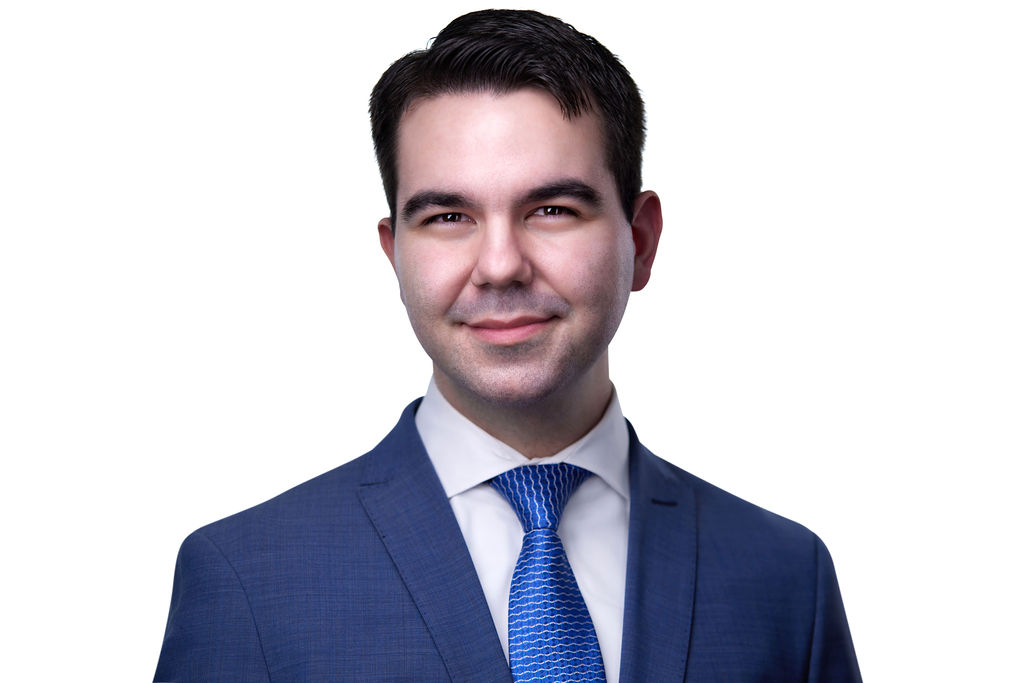
Empowering Young Voices to Create a Sustainable Future for Generations to Come
As Nelson Mandela once said, Education is the most powerful weapon we can use to change the world. As educators, leaders, and researchers, we share a common goal: to empower the next generation of learners to create a sustainable future for generations to come. My research project, titled “Cultivating Critical Consciousness: The Role of Dialogic and Reflective Writing in an 8th-Grade Classroom,” seeks to explain if/how dialogic and reflective writing pedagogies help students understand power structures in society and greater understanding of the world they live in (Critical consciousness).
I will conduct a qualitative case study using ethnographic methods to explore if/how dialogic and reflective writing pedagogies contribute to the development of critical consciousness amongst 8th-grade students enrolled in my writing course.
-
Spring 2025 Recipients
 Dr. Ndũcũ wa Ngũgĩ,'25Food Security and Education: A bridge towards equity and social justiceWe can all agree that education is an inherent human right, but many students face insurmountable hardships that impede their ability to learn or even attend school. My research on food insecurity spotlights a fundamental but understated factor that impacts student academic achievement: access to adequate and nutritious food. By understanding the lived experiences of food-insecure families, my research offers invaluable insights that center equity and empower diverse student populations across this country.
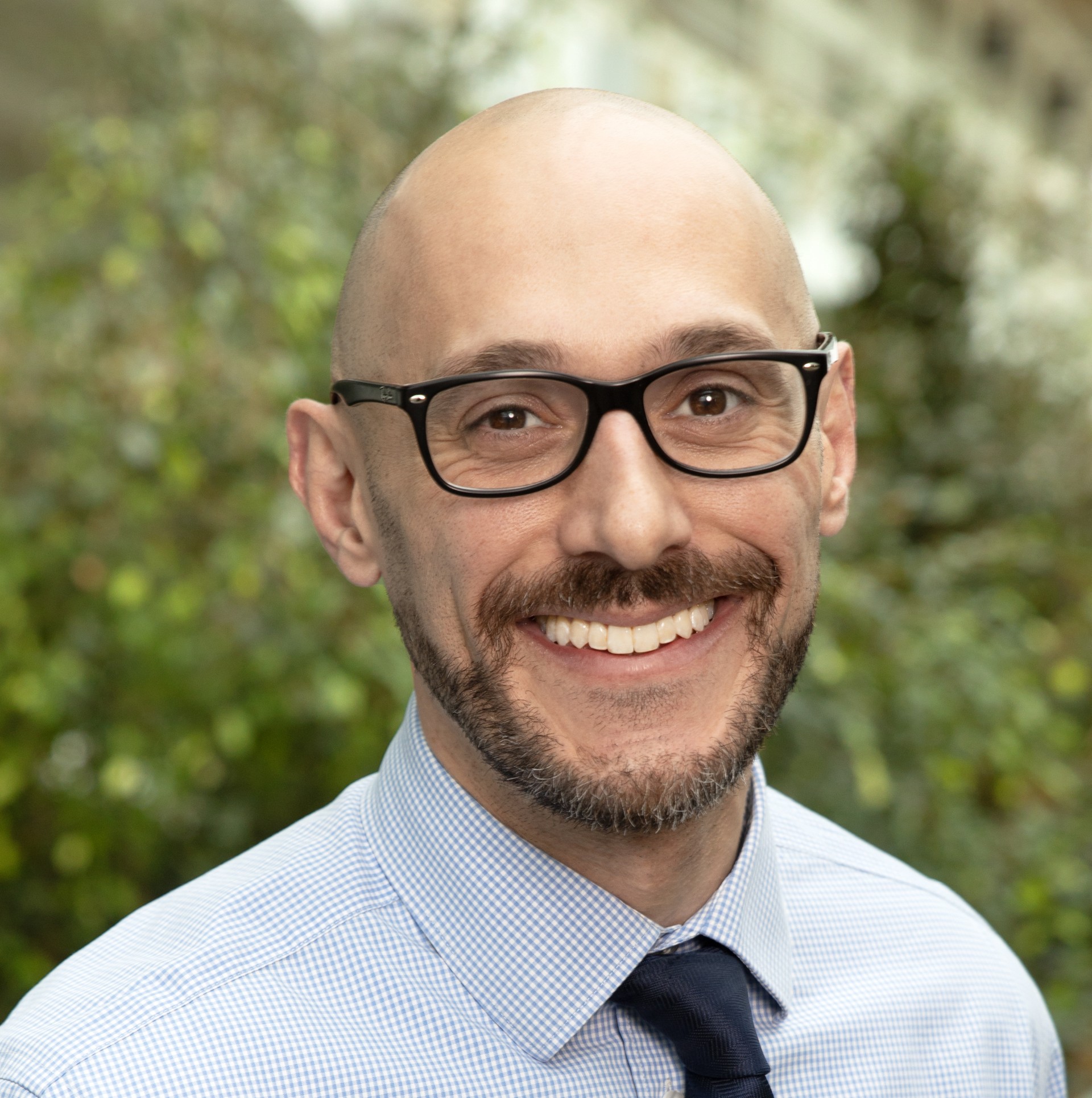 Dr. Joe Weinstein,'25Rewriting the map: How first-generation students navigate capital and construct place identity in higher educationHigher education often frames student success through a neoliberal lens, where cultural capital is treated as an individual asset to be accumulated, traded, and leveraged. However, for first-generation (FG) college students, particularly those from historically marginalized backgrounds, this framing disregards the collective strategies, systemic barriers, and alternative forms of capital that shape their educational experiences. My research challenges this dominant narrative by exploring how FG students develop place identity at a private university in the Northeastern United States. Using Bourdieu’s theory of cultural capital and Yosso’s Community Cultural Wealth model, this study examines how students negotiate campus space, navigate cultural mismatches, and resist institutional neoliberalism.
 -
Fall 2024 Recipient
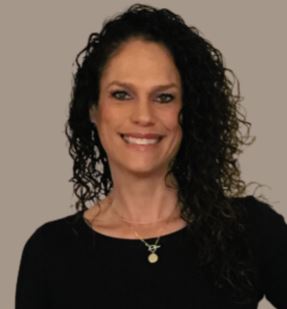 Dr. Mary E. Pettit, '24Beyond Selection and Practice: A Phenomenological Inquiry into the Lived Experiences of K-5 Literacy Curriculum Leaders on Long Island, NYMy research will focus on gaining a deeper understanding of the lived experiences of curriculum leaders as they navigate the systematic structures of accountability such as politics, policy, and mandates when selecting and evaluating literacy curriculum. While my proposed study specifically explores the experiences of district elementary literacy curriculum leaders in Long Island in how they perceive their role and navigate the challenges presented by systematic education policy, it will pave the way for future researchers to explore the experiences of other stakeholders who navigate these structures as well. Ultimately, to ensure that all students regardless of race, ethnicity, or economic status have access to quality books and equitable resources, our research must connect the dots between who creates, enforces, and evaluates education policy and most importantly who benefits and who does not.