About Molloy
 

History And Traditions

Molloy College has grown steadily since its foundation by the Dominican Sisters of Amityville over fifty years ago. Thanks to the encouragement and support of Archbishop Thomas E. Molloy, Bishop of Brooklyn, the Sisters welcomed their first class of 44 freshmen in 1955. The College was originally chartered as Molloy Catholic College for Women.

Prior to moving to the current campus, the College was located in a Victorian-styled home at 915 North Village Avenue in Rockville Centre. As noted in the history of the College, Mother Anselma Ruth, O.P., Prioress of the founding community of Dominican Sisters and the first President of Molloy and Sister Rose Gertrude Hoenighausen, O.P., first Academic Dean, led the fledgling institution through its earliest years with tremendous faith and dedication. The College moved first into Monsignor Quealy Hall and then, in 1958, into Bishop Kellenberg Hall, named for the first Bishop of Rockville Centre. The Dominican sisters lived in Quealy Hall until Maria Regina Hall was finished in 1964. Quealy remained the college gymnasium and currently houses the bookstore as well as the registrar, the bursar and the Office of Admissions.

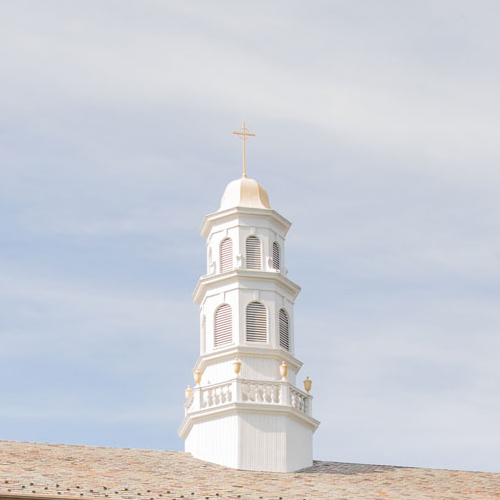
In 1980, the Adelaide B. Wilbur Arts Center, connected to Quealy Hall, was completed. It houses the Hays Theatre and the departments of communication arts and sciences, music and art. The Chapel of the Sacred heart, highlighted by beautiful stained glass windows, was erected in 1983 at the south end of the campus. In the fall of 1992, the William J. Casey Center was opened. This two-story building, erected between Kellenberg Hall and the Wilbur Arts Center, now includes the allied health sciences, business, nursing and social work departments, as well as student support services which encompass the writing/computer lab, tutorial services and the office for students with disabilities.

Renovations to the athletic facilities in Quealy Hall took place in the summer of 1993. Over the years, the College has acquired three houses adjacent to the campus, two that house the academic departments of Philosophy and Sociology, and the third is the Alumni House. In the fall of 2005, Siena Hall, the College's most recent building was dedicated. It houses the academic departments of criminal justice, English, psychology and theology and religious studies, as well as the Office of Financial Aid.

In 1967, Molloy received the academic accreditation of the Middle States Association of Colleges and Schools. In 1992 the first Master's degrees were awarded. Currently, undergraduate enrollment is over 3,400 students and graduate students number more than 1000.

Molloy College has continued to grow in both form and function over the last half century. As the College ended its 50th Anniversary in 2006, plans were in motion for continued growth and expansion.